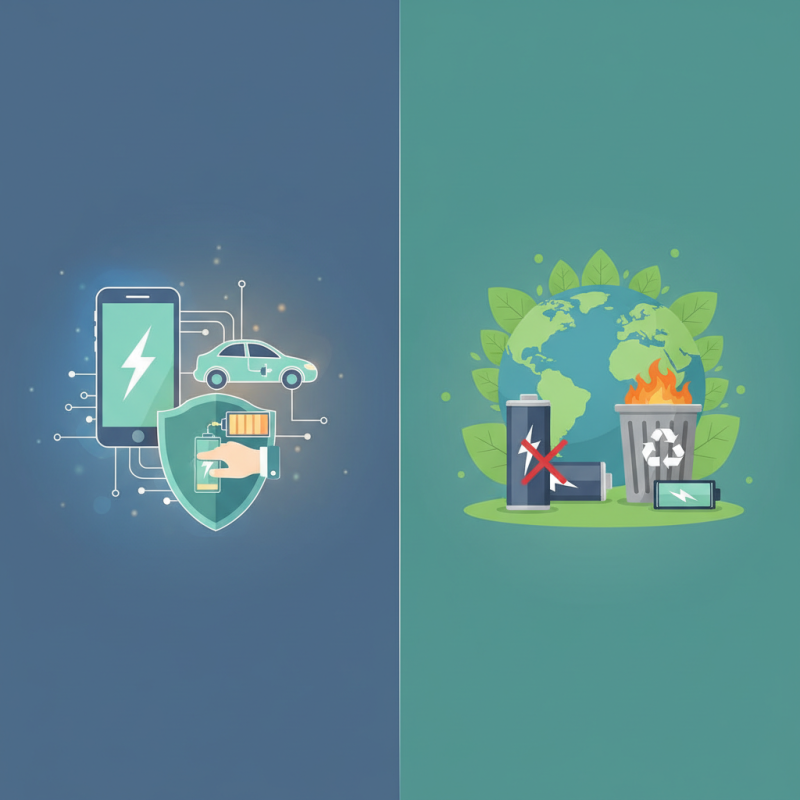
How to Safely Use and Dispose of Lithium Batteries?
Lithium Batteries are widely used in our daily lives. They power everything from smartphones to electric vehicles. However, many users are unaware of the potential hazards associated with improper handling. Safety is crucial when using these batteries. They can overheat, catch fire, or even explode if not managed correctly.
Disposing of lithium batteries poses its own set of challenges. Throwing them in the trash can lead to environmental contamination. It is essential to dispose of them properly to avoid dangers to our planet. This often requires specialized recycling facilities.
While we rely on lithium batteries for convenience, we must not ignore safety protocols. A simple mistake can lead to dangerous situations. Awareness and careful disposal practices can protect both users and the environment. Understanding how to safely use and dispose of lithium batteries is vital for everyone.
Understanding Lithium Batteries and Their Components
Lithium batteries power our devices. Understanding their components is crucial for safe usage. These batteries typically consist of a cathode, an anode, electrolyte, and separator. The cathode is often lithium cobalt oxide, known for its high energy density. The anode usually comprises graphite. These elements work together but can be dangerous if mishandled.
During use, keep an eye on temperature. Overheating can lead to thermal runaway, a serious risk associated with lithium batteries. In fact, the Battery Safety Organization reported that nearly 40% of battery-related incidents stem from overheating. Always use chargers designed for lithium batteries, and avoid physical damage. Crushed or punctured batteries can leak harmful chemicals.
Tips: Always store batteries in a cool, dry place. Avoid exposing them to extreme temperatures. When disposing of batteries, follow local regulations. Many places have recycling centers. Make sure to discharge batteries before disposal; this helps prevent unexpected reactions. Not all facilities accept batteries, so research thoroughly.
Safe Handling Practices for Lithium Batteries
Lithium batteries are common in many devices. Safe handling is crucial. Always inspect batteries for damage before use. Look for dents, leaks, or corrosion. Damaged batteries can pose serious risks, like fires or explosions. Store batteries in cool, dry places. Avoid exposure to extreme heat or moisture.
When using these batteries, avoid short-circuiting. Keep them away from conductive materials, like coins or jewelry. If a battery is overheating, never try to cool it with water. Instead, place it on a non-flammable surface until it cools down. Remember that mishandling can lead to severe consequences.
Disposing of lithium batteries correctly is equally important. Never throw them in regular trash. Many areas have designated recycling facilities. Check local guidelines for proper disposal methods. Some retailers also take back used batteries. It may require effort, but safe disposal prevents environmental harm.
Proper Charging and Maintenance Techniques
Proper charging and maintenance of lithium batteries is crucial for safety and longevity. Always use the recommended charger for your battery type. Avoid chargers that are damaged or not designed for your specific battery model. Check connections before charging. A loose connection can lead to overheating and potential hazards.
Store batteries in a cool, dry place. Extreme temperatures can degrade battery life. Keep batteries away from metal objects that may cause short circuits. Regularly inspect batteries for any signs of swelling or leakage. These indicators imply that a battery may be unsafe for use. Remember to not ignore these warnings. They are vital for your personal safety.
When it's time to dispose of lithium batteries, seek out local recycling programs. Never throw them in regular trash. Mishandling can lead to accidents and environmental harm. Always wrap the terminals in tape to prevent accidental discharge. Lithium batteries require careful handling throughout their life cycle. Proper awareness and actions can prevent potential disasters.
How to Safely Use and Dispose of Lithium Batteries? - Proper Charging and Maintenance Techniques
| Aspect | Best Practices | Disposal Methods |
| Charging | Use manufacturer's charger; avoid overcharging; charge at room temperature. | Take to local recycling center or battery collection facility. |
| Storage | Store in a cool, dry place; avoid temperature extremes. | Do not dispose in regular trash; use designated e-waste bins. |
| Maintenance | Check for damage regularly; clean terminals; avoid deep discharging. | Follow local regulations for hazardous waste disposal. |
| Signs of Failure | Swelling, leaking, or excessive heat; discontinue use immediately. | Return to manufacturer or proper disposal site. |
Recommended Disposal Methods for Lithium Batteries
Lithium batteries are common in many devices. However, their disposal is often neglected. It is crucial to handle them properly. When you no longer need a lithium battery, don’t just throw it in the trash. That could be unsafe.
One recommended disposal method is to find a local recycling center. Many businesses offer designated drop-off points for used batteries. These centers ensure proper recycling. They can prevent environmental damage. Some products may even have collection programs. Check with your local waste management for guidelines.
Another option is battery collection events. Communities often hold these events to encourage proper disposal. This can be a convenient way to get rid of batteries. However, remember to store them correctly before the event. Use a non-conductive container to avoid accidents. Keeping your environment safe requires effort from us all. It’s our responsibility to make informed choices.
Environmental Considerations and Recycling Options
Lithium batteries are everywhere. They power our phones, laptops, and even electric vehicles. However, their impact on the environment is significant. Improper disposal can lead to pollution and harmful chemical leaks. Understanding recycling options is crucial.
Many recycling programs accept lithium batteries. Local centers often provide safe drop-off locations. Some manufacturers even have take-back programs. But not all batteries are recycled. Consumers must check if their batteries are recyclable. Throwing them in the trash isn't just lazy; it's harmful.
When using lithium batteries, it’s important to be responsible. Store them away from heat or moisture. Damaged batteries can leak toxic substances. Regularly check for signs of wear. Dispose of old batteries promptly.
Neglecting these aspects can worsen environmental issues. We all have a role in protecting our planet.