How to Choose the Best High Performance Flashlight in 2026?
Choosing the right High Performance Flashlight can be overwhelming. With numerous models available, how do you select the best one for your needs? This guide will help you navigate through the options in 2026.
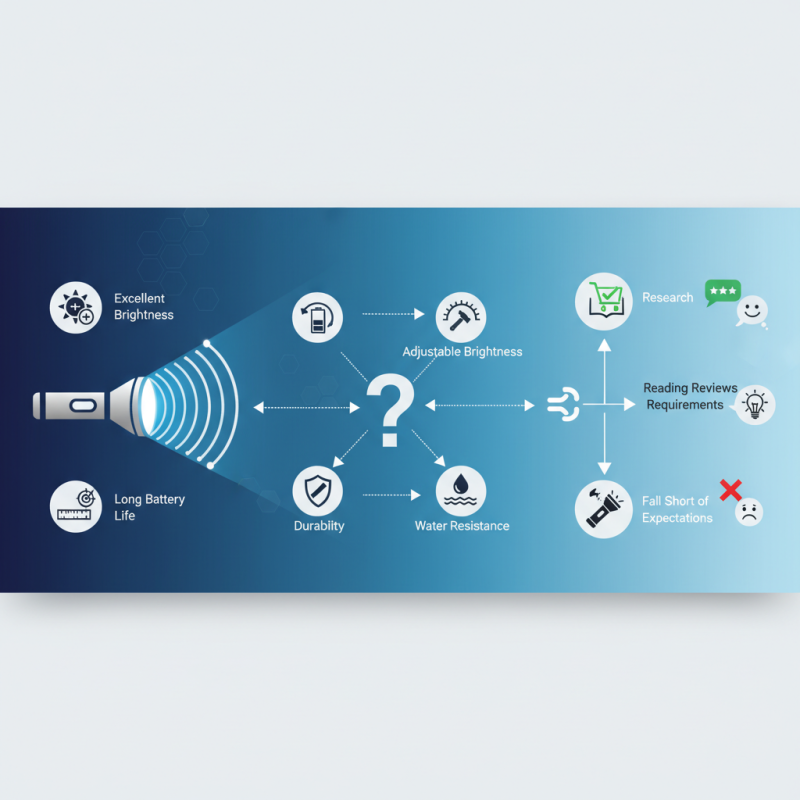
A high performance flashlight should provide excellent brightness and long battery life. It’s important to consider the beam distance and how it fits your activities. Features like adjustable brightness levels, durability, and water resistance can enhance your experience.
However, not all flashlights meet these criteria. You may find some products fall short of expectations. Research is vital. Reading reviews and gathering feedback can save you from making a poor choice. Reflecting on your own requirements will lead to a more satisfying purchase.
Understanding High Performance Flashlights: Key Features to Consider
When choosing a high-performance flashlight, several key features are essential to consider. Brightness is a primary factor. A flashlight's lumens indicate its brightness level. Generally, more lumens mean a brighter light. Yet, it should not be the only measure. Beam distance also matters. Some users prefer wider beams for close-up work, while others need focused beams for long-distance visibility.
Battery life cannot be overlooked. A flashlight may have high lumens, but if the battery runs out quickly, it may not be practical. Rechargeable options offer convenience. However, some might find disposable batteries easier to manage during outdoor activities. It’s important to balance brightness and longevity, as both are crucial for effective use.
Tip: Consider your needs before making a decision. Are you using the flashlight for home safety or outdoor adventures? Each scenario requires different features. Evaluate how often you will use the flashlight.
Another tip: check the build quality. A durable flashlight can withstand drops and harsh conditions. Yet, some users might overlook this aspect. A lightweight design might seem attractive, but it shouldn't compromise sturdiness. By reflecting on these details, you can make a more informed choice.
Evaluating Brightness: Lumens and Their Impact on Flashlight Performance
When selecting a high-performance flashlight, lumens play a crucial role. Lumens measure the total light output. A flashlight with higher lumens typically shines brighter. However, brightness isn't everything. It's essential to consider beam distance and intensity. A flashlight with 1000 lumens may seem powerful. Yet, if it lacks focused beam ability, its effectiveness can diminish in practical use.
Several industry reports indicate that users often overlook the importance of beam patterns. A well-distributed beam provides better visibility. According to the National Institute of Standards and Technology (NIST), properly adjusted beam patterns can improve visibility by up to 30%. Think about scenarios where light disperses: camping or emergency situations. A flashlight's ability to focus light can make it more functional than one with merely high lumens.
Personal reflection is valuable here. Many people might prioritize equipment with flashy brightness ratings. Yet they fail to understand the significance of runtime and durability. A high-lumen flashlight might drain batteries quickly. Without proper runtime, its effectiveness is limited. Assessing the balance between lumens, beam type, and runtime will guide you in making a well-rounded choice.
Battery Options: Rechargeable vs. Disposable Batteries Explained
When choosing a high-performance flashlight, battery options play a crucial role. Rechargeable batteries are popular for their convenience. They can be reused multiple times, reducing waste and costs in the long run. Users can simply plug them in and charge. This is ideal for regular use and emergencies. However, choosing the right charger is key. Not all chargers work with all battery types.
On the other hand, disposable batteries offer simplicity. You can find them easily in stores. They are often ready to use right out of the package. However, they can drain quickly, especially in high-performance flashlights. This means people may end up spending more over time. Plus, they contribute to environmental waste.
Ultimately, the choice between rechargeable and disposable batteries depends on your usage needs. If you often use your flashlight, rechargeable options may serve you better. If you need it infrequently, disposable batteries might suffice. Each option has its pros and cons. It's essential to reflect on your habits and make an informed decision.
Durability and Waterproofing: What Makes a Flashlight Reliable?
When selecting a high-performance flashlight, durability and waterproofing are key factors. Flashlights often face rough handling and harsh environmental conditions. Research indicates that over 60% of users report reliability issues in extreme conditions. A reliable flashlight should be impact-resistant and constructed from robust materials such as aircraft-grade aluminum.
Waterproofing is equally critical. According to industry data, flashlights must have an IPX rating of at least 4 to resist splashes. However, for submersion in water, an IPX rating of 7 or higher is preferable. Look for O-ring seals, which enhance waterproofing. Certain models can withstand heavy rain or temporary submersion, which is a big plus for outdoor usage.
Tips:
- Test for impact resistance by dropping the flashlight from a short height. Ensure it maintains functionality.
- Check the waterproof rating before purchase. This often means better performance in rain or flooding.
- Gather user reviews on durability and waterproof features. Personal experiences can guide choices effectively.
Purchasing a flashlight isn’t just about brightness. Reliable performance under tough conditions matters most. Consider these aspects seriously.
Comparing Price Points: Finding the Best Value for High Performance Flashlights
When searching for high-performance flashlights, price is a crucial factor. Some models offer impressive brightness and durability at a low cost. Others may tout higher lumens but come with a significant price tag. It is essential to find a balance. Consider what you need more: intense brightness or extended runtime? Often, the best value lies in mid-range options that excel in both areas.
Materials and build quality also influence pricing. Flashlights made from sturdy aluminum or high-grade polymers tend to last longer. But these materials can drive up costs. Sometimes, users purchase flashy models, only to find they don’t meet their needs. Reflect on your usage—will you use it for hiking, home safety, or emergencies? The wrong choice can lead to wasted money.
A flashlight isn’t merely an investment; it’s a tool. Asking for too many features might stretch your budget thin. Some users focus too much on brightness, ignoring ergonomics. Comfort is paramount, especially for extended use. Take time to handle potential choices before purchasing. A well-chosen flashlight should feel right in your hand, not just look appealing on the shelf.